
Nepal, a small yet beautiful country located in the Himalayas, has been a popular tourist destination for many years. With its rich culture, breathtaking landscapes, and diverse wildlife, it’s no surprise that Nepal attracts millions of tourists every year. However, with the rise in tourism, there has been a negative impact on the environment and the local communities. That’s why sustainable tourism practices are crucial in preserving Nepal’s natural beauty and promoting responsible tourism.
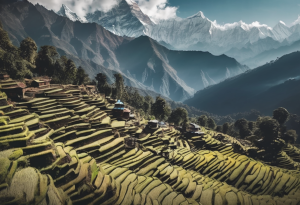
One way Nepal is implementing sustainable practices in tourism is through ecotourism. This type of tourism focuses on nature-based activities and responsible travel that minimizes the impact on the environment. For example, in Chitwan National Park, one of Nepal’s most popular tourist destinations, there are strict rules in place to minimize the impact on wildlife and their habitats. Tourists are also encouraged to participate in activities that support the local communities, such as homestays and buying local products. This not only benefits the local economy but also helps in preserving Nepal’s unique culture and traditions.
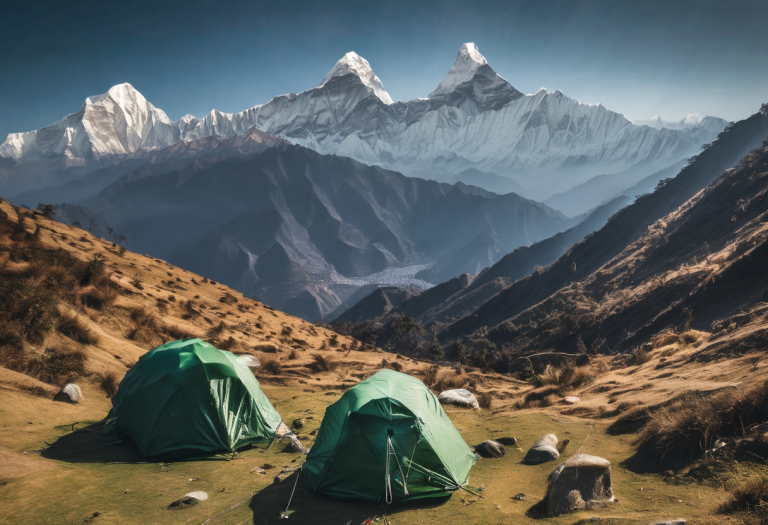
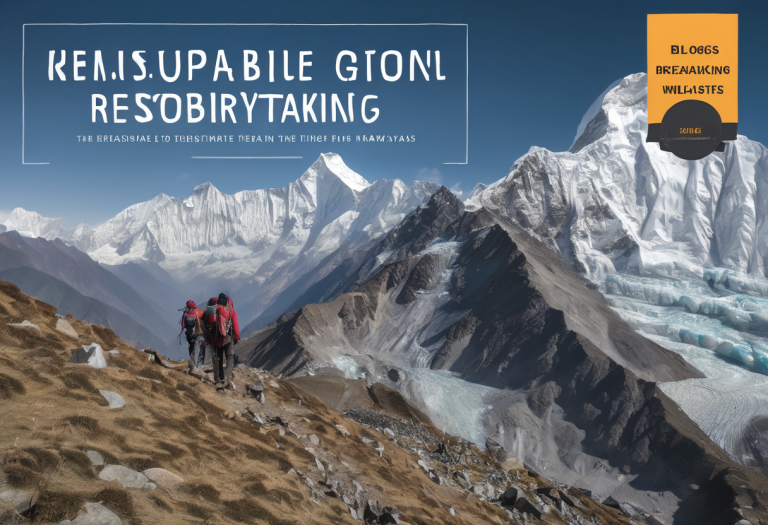
In addition, Nepal has also been promoting responsible trekking practices to protect its mountains and promote sustainable tourism. The government has implemented a rule that climbers must bring back the same amount of trash they bring to the base camp. This has significantly reduced the amount of waste littering the mountains and has helped in preserving the natural beauty of Nepal’s iconic Himalayan peaks.
Moreover, efforts are also being made to promote sustainable transportation in the country. Electric buses and electric rickshaws are being used in cities like Kathmandu to reduce air pollution and promote eco-friendly travel. The government is also working on developing sustainable infrastructure, such as eco-lodges, that use renewable energy sources and have minimal impact on the environment.
In conclusion, sustainable tourism practices in Nepal are essential for preserving the country’s natural beauty, culture, and environment for future generations. As tourists, we have a responsibility to travel responsibly and support these practices to ensure the long-term sustainability of this beautiful country. Let’s all do our part in promoting sustainable tourism and preserving the wonders of Nepal.